
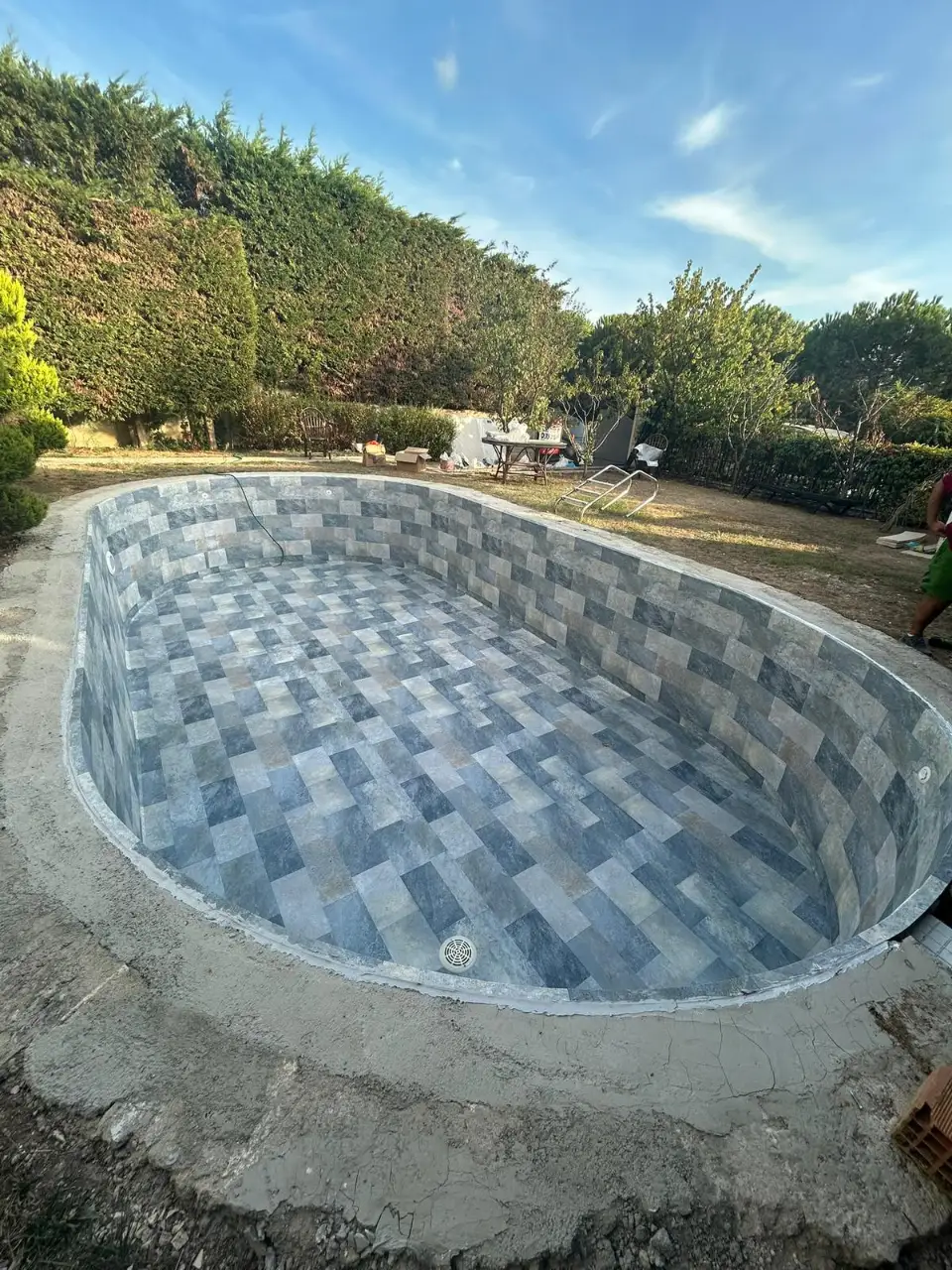
Our repair and renovation service covers roofs, terraces, basements, retaining walls, pools and water tanks where existing waterproofing is damaged, has aged or was never installed. Waterproofing repair is not about patching a leak temporarily but cutting off the water's path for good.
AquaSeal combines visual inspection, moisture measurement and controlled water testing to detect leaks, then recommends the most suitable and economical option: injection, local membrane repair, liquid renewal or full system replacement.
Why accurate diagnosis matters in leak repair
Water follows the easiest path, not the shortest. A damp patch in a basement may come from a construction joint metres away; a ceiling stain from an outlet on the floor above. Repairs made without finding the source often just move the problem.
With ageing systems, the decision is between local repair and full renewal. We assess the extent of damage, the condition of the underlying layers and the remaining life of the building to show you the most economical path long term.
Waterproofing repair: where we apply it
- Roof and terrace leak repair
- Basement and retaining wall leaks
- Injection of concrete cracks and construction joints
- Pool and water tank leak repair
- Renewal of ageing membranes
- Water ingress in lift pits and car parks
Systems we use
- Polyurethane injection
- Resins injected under pressure into actively leaking cracks and joints, expanding on contact with water to seal without demolition.
- Epoxy and acrylic injection
- For filling structural cracks and curtain injection behind walls.
- Crystalline repair mortars
- Systems applied from the inside of basements and tanks against negative water pressure.
- Liquid membrane renewal
- Seamless renewal applied over old membranes or finishes, without stripping where suitable.
Waterproofing repair: application stages
Leak detection
Moisture readings, inspection and controlled water tests reveal the entry point and the water's path.
Damage assessment and report
The condition of the waterproofing, concrete and reinforcement is documented with photos.
Recommended solution
Local repair, injection and full renewal are compared on cost and service life.
Repair works
The chosen method is applied with minimal impact on surrounding areas and occupants.
Verification
The repaired area is checked with water tests and follow-up readings.
Maintenance advice
Periodic inspection points are set to prevent recurrence.
Waterproofing repair: key benefits
Diagnosis first
No unnecessary demolition or repeated repair costs.
No-demolition options
Injection and liquid systems protect living spaces.
An economical decision
A transparent comparison of local repair and renewal.
Fast response
Temporary protection for active leaks, then a lasting repair.
Documented work
A before-and-after repair report with photos.
Waterproofing repair: frequently asked questions
How is the source of a leak found?
Through visual inspection, moisture mapping and controlled water tests on suspect areas. Where needed, a plumbing pressure test separates structural leaks from pipe leaks.
What is injection waterproofing?
Special resins injected under pressure into concrete cracks, construction joints or behind walls. It can stop active water ingress without excavation or demolition.
Can a basement leak be repaired from inside?
Yes, crystalline systems and injection provide lasting solutions from inside. Where external waterproofing is completely missing, we explain the limits of these methods during the survey.
Can old waterproofing be renewed without stripping it?
If the existing finish is sound and has not taken on water, renewal with liquid or new membrane over it is usually possible. Wet underlying layers must be removed.
How quickly do you respond to urgent leaks?
We schedule a survey as soon as possible depending on your region and workload, and for active leaks we first recommend temporary measures to limit damage.
What if the leak returns after repair?
We verify repaired areas by testing before handover and inspect any later issue on site.