Foundation waterproofing protects the below-ground slab, raft and retaining walls from groundwater, soil moisture and seepage. These surfaces are buried once construction is complete, so they have to be done right the first time.
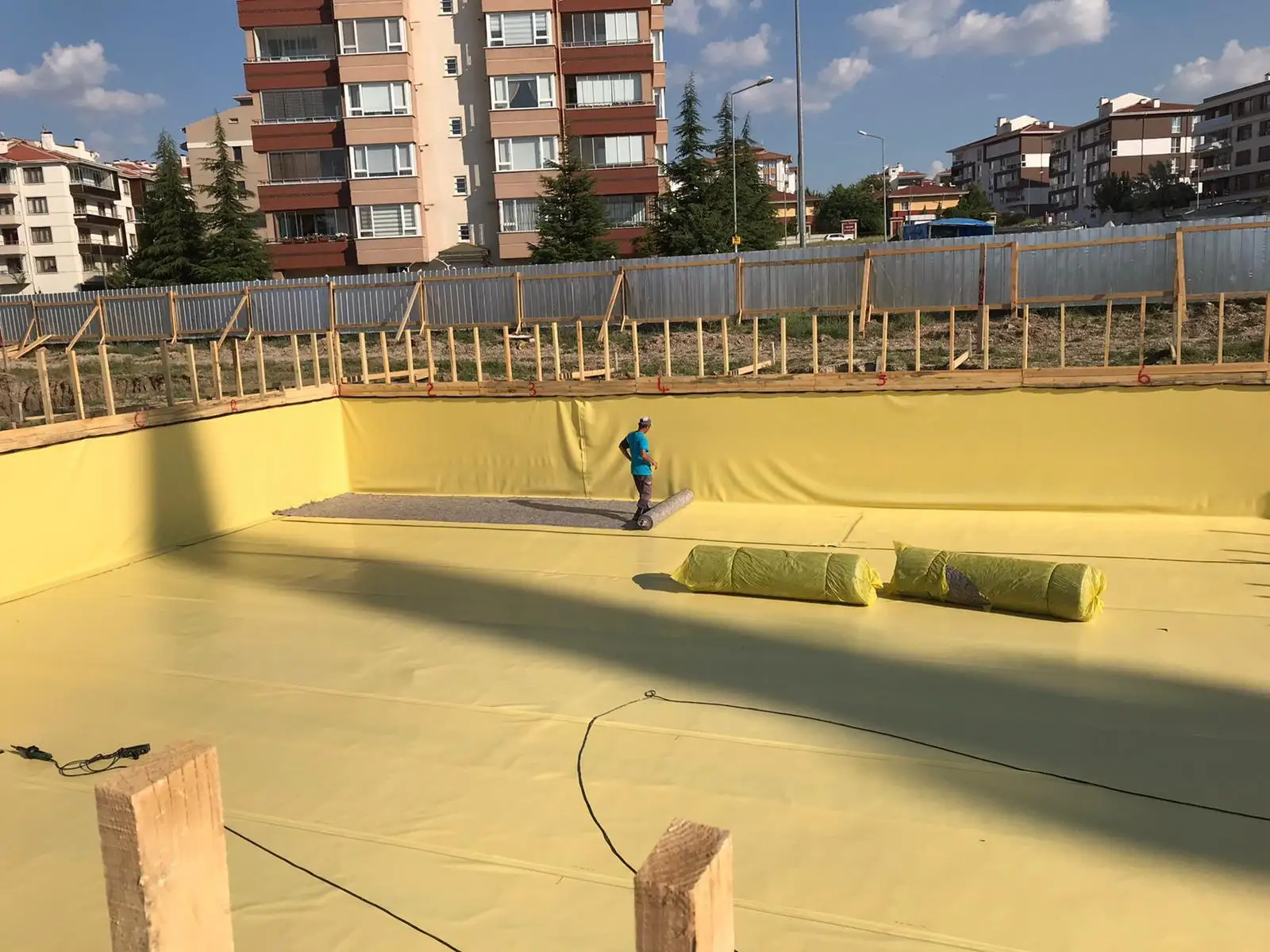
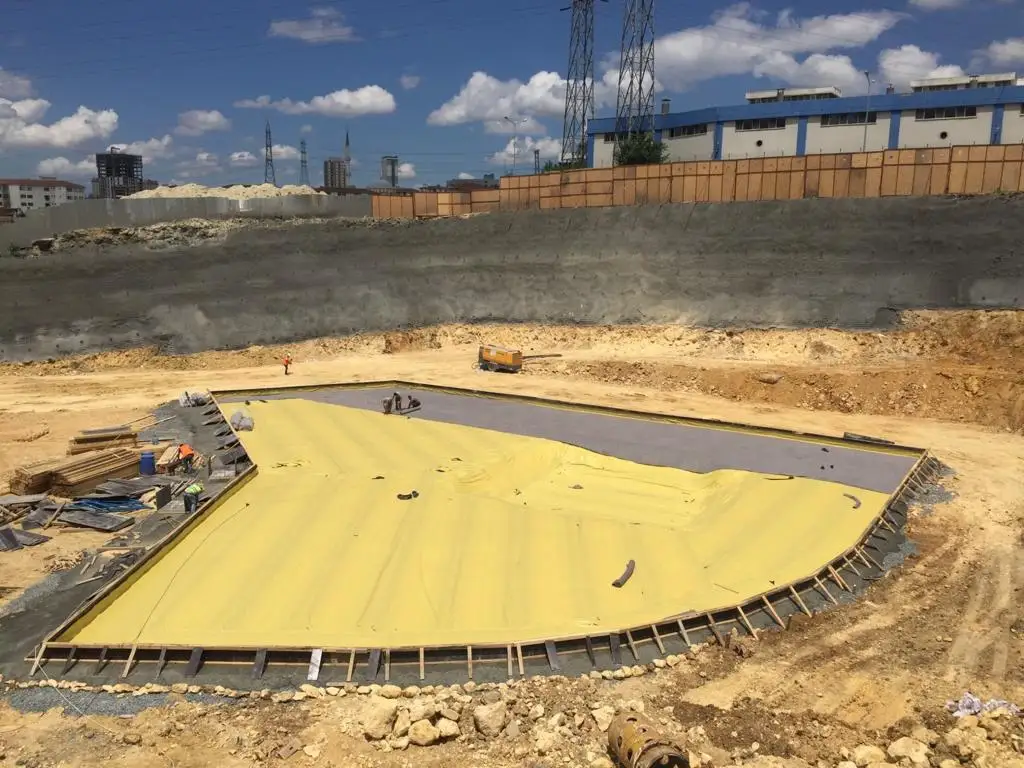
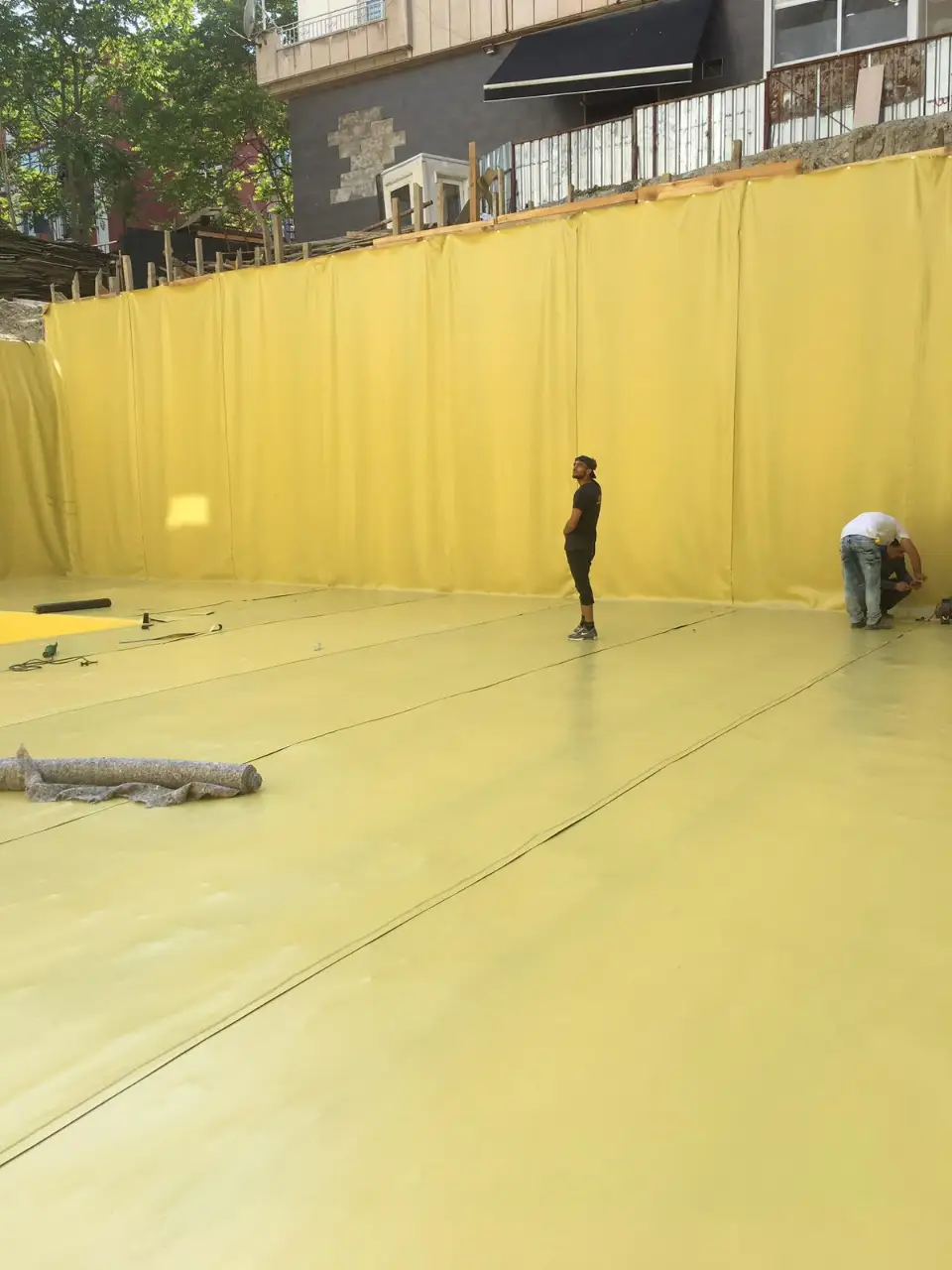
AquaSeal bases foundation waterproofing on full tanking: the waterproofing starts beneath the slab and continues without interruption up the walls to above ground level. We install bituminous membranes, synthetic membranes and, where needed, crystalline systems together with drainage and protection layers.
Why foundation waterproofing cannot wait
Foundations and retaining walls are constantly exposed to soil moisture, rising water after rain and, in some areas, pressurised groundwater. An unprotected or poorly waterproofed basement inevitably suffers damp, mould, blistering plaster and, over time, reinforcement corrosion.
For seismic safety, foundations and retaining walls are among the most critical structural elements. Corrosion here progresses unseen and is extremely difficult to repair, making foundation waterproofing one of the most effective investments in a building's health.
Foundation waterproofing: where we apply it
- Below-slab and raft foundations (full tanking)
- Basement and retaining walls
- Underground car parks and shelters
- Lift pits and plant rooms
- Buried slabs and podium decks
- Internal (negative side) waterproofing of existing basements
Systems we use
- Bituminous membrane tanking
- Two layers of SBS membrane on blinding concrete below the slab and torch-bonded to primed walls.
- Synthetic membranes
- Compartmentalised PVC or TPO systems for pressurised groundwater and aggressive soils.
- Crystalline and cementitious systems
- Negative-side systems applied from inside existing basements that cannot be excavated.
- Drainage and protection
- Dimpled drainage boards, XPS boards, geotextile and perimeter drains protect the layer and relieve water pressure.
Foundation waterproofing: application stages
Ground and water assessment
Soil reports and groundwater levels determine the system appropriate to the water pressure.
Below-slab preparation
Blinding concrete is cast extending beyond the wall line, then cleaned and primed.
Below-slab waterproofing
Membrane is laid with overlaps, leaving laps to turn up the walls, and covered with a protective screed.
Wall preparation
Tie holes are filled, the slab-wall junction is chamfered and primer is applied.
Wall waterproofing
Membrane is joined to the laps from the slab and fully bonded up the wall to above ground level.
Drainage, protection and backfill
Drainage board or XPS protects the layer, perimeter drains are installed and backfilling is controlled.
Foundation waterproofing: key benefits
Long-lived structure
Prevents corrosion in foundations and retaining walls.
Dry, usable basements
Safe for car parks, storage and living space.
Right first time
A system checked before it is buried.
Designed for the groundwater
Membrane and drainage chosen for the water pressure.
Options for existing buildings
Crystalline solutions from inside where external access is impossible.
Foundation waterproofing: frequently asked questions
How is foundation waterproofing done?
Membrane is laid on blinding below the slab with laps left for the walls. After the walls are cast, the surface is prepared and primed, the membrane is joined to the laps and bonded up the wall, then protected with drainage and protection boards.
What is full tanking?
Wrapping the underside of the foundation and every buried wall in continuous waterproofing, leaving no path for water. It is the safest foundation waterproofing method.
Which material is used on retaining walls?
Most projects use two layers of SBS bituminous membrane with a drainage board. Synthetic membranes suit pressurised water or aggressive soils, and crystalline systems are used where there is no external access.
Can foundations be waterproofed after construction?
If the walls can be excavated, waterproofing can be applied externally. Otherwise crystalline waterproofing and, if needed, injection are applied from inside.
Why do basements get damp?
Soil moisture, groundwater rising after rain or capillary rise moves through walls and slabs. Identifying the source correctly leads to the right waterproofing method.
How long does foundation waterproofing take?
It depends on foundation area, wall length and the construction programme. We phase the work to match the structural schedule.