
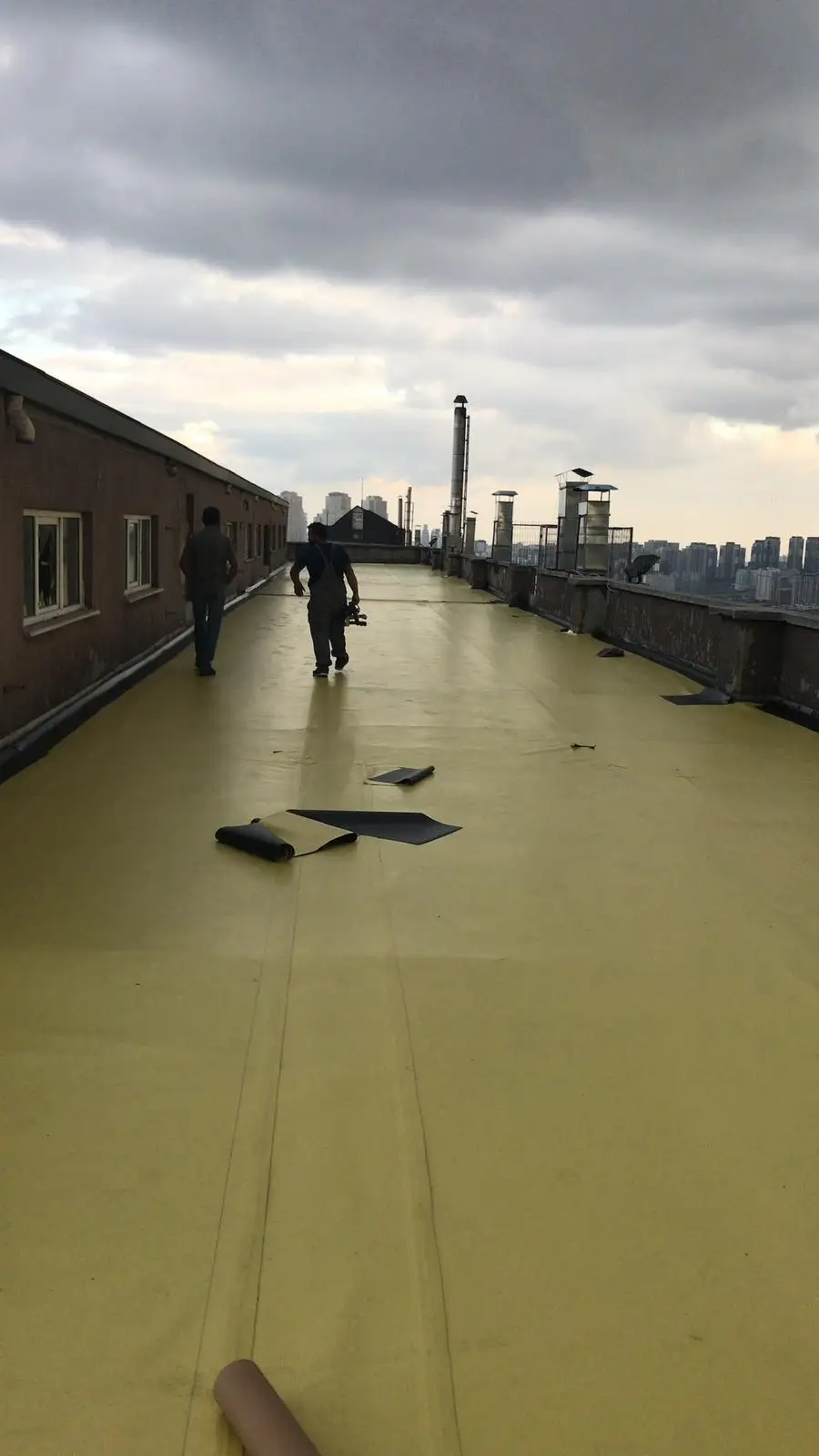
Terrace and balcony waterproofing stops rainwater on surfaces that people live and walk on — usually finished with tiles or stone — from reaching the spaces below. Water easily travels through tile joints, around outlets, under door thresholds and at wall bases.
AquaSeal installs under-tile waterproofing in new buildings and, where suitable, clear or coloured liquid membranes that can be applied over existing tiles without demolition. Falls, outlets, parapet upstands and thresholds are each resolved individually.
Why do terraces and balconies leak?
Terraces face the most sun and rain while also being heavily used. Tile joints crack with thermal movement, water ponds where falls are insufficient, and poorly chosen outlets or short wall upstands let water into the slab.
Once a leak starts, the ceiling below shows stains, plaster blisters and electrical risk. A lasting fix is not just coating the surface but finding where water enters and getting the falls and details right.
Terrace waterproofing: where we apply it
- Roof terraces and floor terraces
- Residential and hotel balconies
- Garden-level and car park podium terraces
- Walkways, stairs and landings
- No-demolition waterproofing over tiles
- Thresholds, parapets and outlet details
Systems we use
- Polyurethane liquid membrane
- Seamless, elastic and UV-resistant; used as an exposed finish or under tiles.
- Clear liquid waterproofing
- Applied over existing tiles or stone without demolition, preserving the look of the surface.
- Flexible cementitious waterproofing
- Under-tile waterproofing compatible with tile adhesives for new balconies and terraces.
- Bituminous membrane and protective screed
- A complete build-up with membrane, protection and finish layers for large terraces and podiums.
Terrace waterproofing: application stages
Leak detection
Water testing and moisture readings find the entry point; finishes, falls and outlets are inspected.
Method selection
Depending on the finish, we recommend no-demolition waterproofing or a system with a new finish.
Surface and falls
Screed falls are renewed if needed; the surface is cleaned, joints repaired and primer applied.
Details
Outlets, thresholds, parapets and wall bases receive a mesh-reinforced extra layer with adequate upstand height.
Liquid membrane
The material is applied coat by coat at the specified consumption, without interruption.
Top coat and inspection
A water test is carried out before the UV top coat or tiling.
Terrace waterproofing: key benefits
No demolition
On suitable surfaces, waterproofing without removing the finish, in a short time.
Seamless protection
Liquid systems form a single membrane without joints.
UV and foot traffic resistant
Walkable, sun-resistant coatings.
Protects the floor below
Ceiling stains and plaster damage are stopped at the source.
Aesthetic options
Clear or coloured finishes keep the appearance you want.
Terrace waterproofing: frequently asked questions
How is a terrace waterproofed?
First the water entry point is found. After preparing the surface and falls, outlets, thresholds and wall bases are reinforced; then a liquid or membrane system is applied in layers and water-tested.
Can a balcony be waterproofed without removing tiles?
If the tiles are sound and the falls adequate, yes — using clear or coloured liquid systems. Reverse falls or hollow tiles may need renewal for a lasting fix.
How long does a liquid membrane last?
It depends on product quality, applied thickness and renewal of the UV top coat. Correctly applied systems serve for many years.
Does ponding water damage waterproofing?
Constant ponding stresses the membrane and shortens its life, so we check and correct falls before application.
What is the best season for terrace waterproofing?
Dry, mild weather. The surface must be dry, so work is not done on rainy days.
Is the stain below definitely from the terrace?
Not always; plumbing, façades or windows can also be the cause. We confirm the source before recommending work.